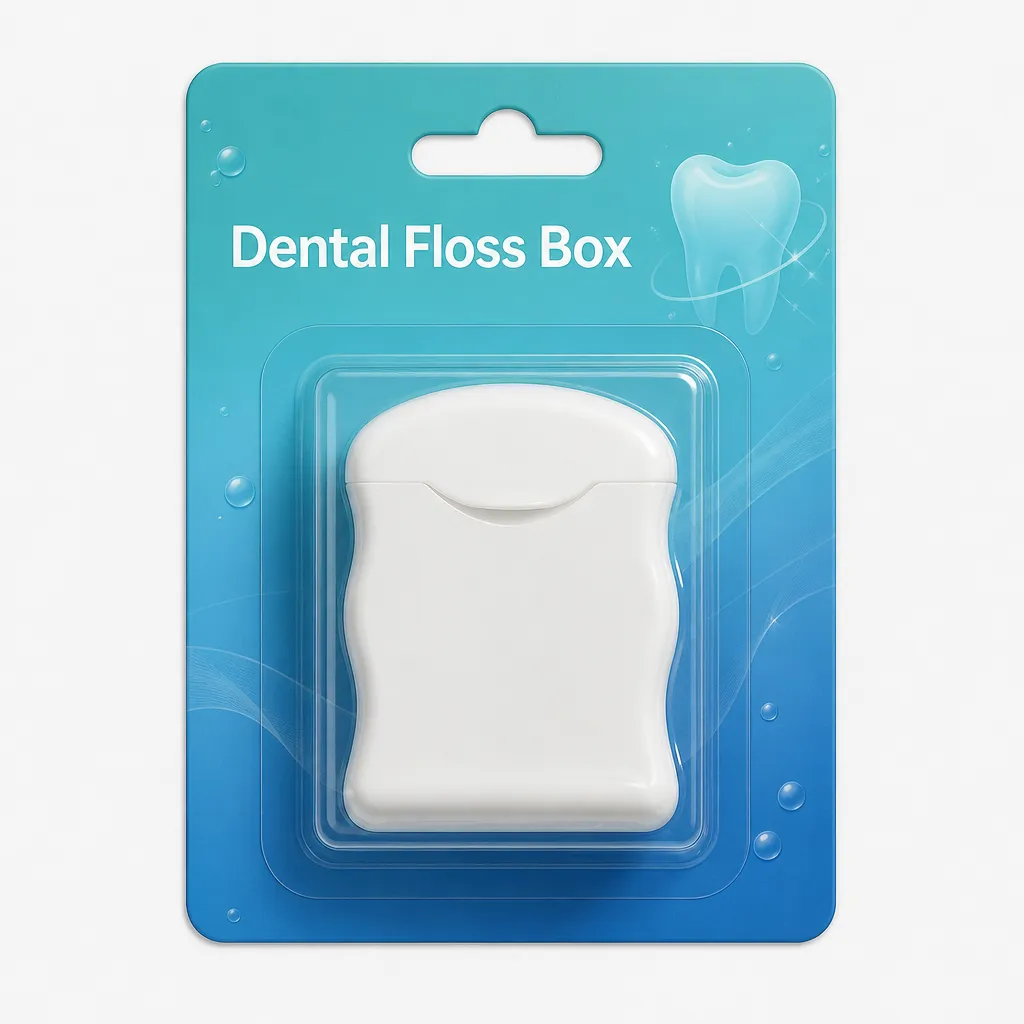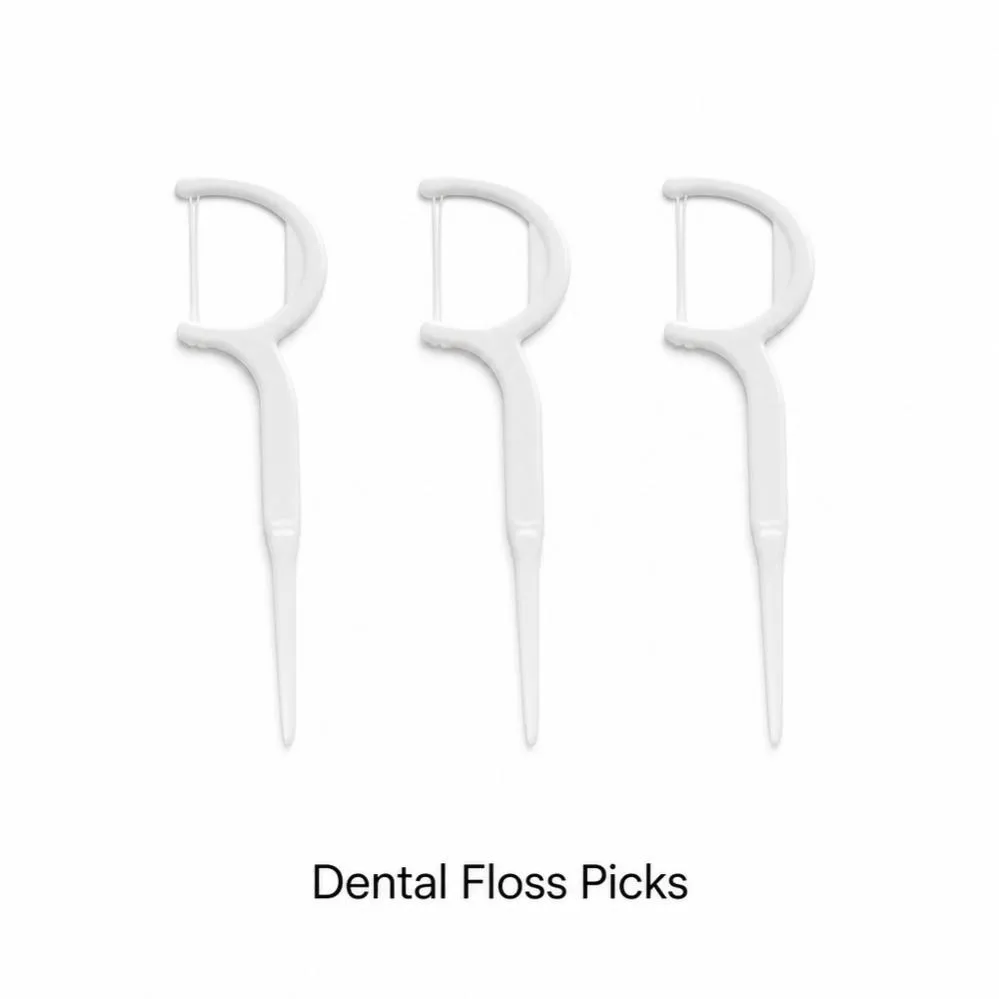
The European market has high expectations for consumer product safety, quality, and environmental responsibility. For dental floss and floss picks, compliance should be considered from the early stages of product development rather than treated as a final step before shipment.
Understanding Product Safety Requirements
Dental floss and floss picks are consumer products that come into direct contact with the mouth. Therefore, manufacturers and brands should pay close attention to the safety and suitability of the materials used.
Material selection, product construction, manufacturing processes, and quality control can all influence the safety and consistency of the finished product.

For brands entering the EU market, it is important to identify the applicable requirements based on the specific product, materials, packaging, and role of each party in the supply chain.
Packaging Is Part of Compliance
Compliance considerations do not stop with the dental floss itself. Packaging can also be subject to requirements in the target market.
Brands should consider packaging materials, labeling information, product identification, instructions, and other required information when developing a new dental floss product.
For sustainable packaging projects, paper-based packaging may help reduce the use of plastic, but the overall packaging solution should still be evaluated according to applicable EU requirements.
Documentation and Supply Chain Transparency
Reliable documentation can make the compliance process more efficient. Depending on the product and market requirements, brands may need relevant material information, test reports, declarations, technical documentation, or other supporting records.
A transparent supply chain also helps brands understand where the product is manufactured, what materials are used, and how quality is controlled.
Compliance Supports Long-Term Market Development
For dental floss brands, EU compliance is not simply about meeting a regulatory requirement before delivery. A systematic approach to product safety, documentation, quality control, and packaging can provide a stronger foundation for long-term business development.
By considering compliance from the beginning of product development, brands can reduce avoidable risks and build greater confidence among distributors, retailers, and consumers.