In the oral care industry, dental floss may appear to be a simple product. However, its performance is determined by a combination of material properties, structural engineering, manufacturing precision, and application requirements.
For oral care brands and professional buyers, understanding these factors is essential when selecting a reliable dental floss manufacturer and developing products that meet different market expectations.
1. Material Selection: The Foundation of Performance
The material used in dental floss directly influences its tensile strength, flexibility, surface characteristics, and overall user experience.
Common materials include nylon, PTFE (polytetrafluoroethylene), and UHMWPE (ultra-high-molecular-weight polyethylene).
- Nylon: A widely used material known for its flexibility and versatility. It can be engineered into different filament structures and thicknesses to accommodate various product positioning strategies.
- PTFE: Characterized by its smooth surface and low coefficient of friction, PTFE floss is designed to glide easily through tight interdental spaces.
- UHMWPE: Known for its high strength-to-weight ratio and excellent abrasion resistance, UHMWPE offers opportunities for developing strong, lightweight floss products.

Each material has its own technical characteristics. The right choice depends on the intended product performance, target consumers, manufacturing requirements, and market positioning.
2. Structural Design: More Than Just Thickness
The diameter of dental floss is only one aspect of its performance.
Filament configuration, yarn construction, coating, and surface treatment can all influence how floss behaves during use.
For example, single-filament and multifilament constructions offer different handling characteristics. A compact, smooth structure may be suitable for users with tight interdental spaces, while a different construction may provide a fuller cleaning feel.
Waxing and flavoring can further influence handling, comfort, and consumer perception.
For brands developing customized dental floss, these technical variables provide opportunities to create differentiated products rather than simply competing on price.
3. Manufacturing Precision and Quality Consistency
Even when two dental floss products use the same raw material, their actual performance may differ significantly.
Manufacturing parameters such as filament uniformity, tension control, coating consistency, winding precision, and packaging conditions all contribute to finished-product quality.
A professional manufacturing process should focus on maintaining consistency across production batches.
Important quality considerations include:
- Tensile strength and resistance to breakage.
- Surface smoothness and filament integrity.
- Diameter and structural consistency.
- Coating and flavor uniformity, where applicable.
- Winding performance and dispensing reliability.
These factors are particularly important for private-label brands and distributors that require stable quality across repeated orders.
4. Customization: Turning Product Concepts into Market-Ready Solutions
Today's oral care brands increasingly seek products that reflect their own identity and positioning.
Dental floss customization can involve several dimensions:
- Material selection and filament specifications.
- Floss thickness, texture, and color.
- Waxing and flavor options.
- Spool length and dispenser compatibility.
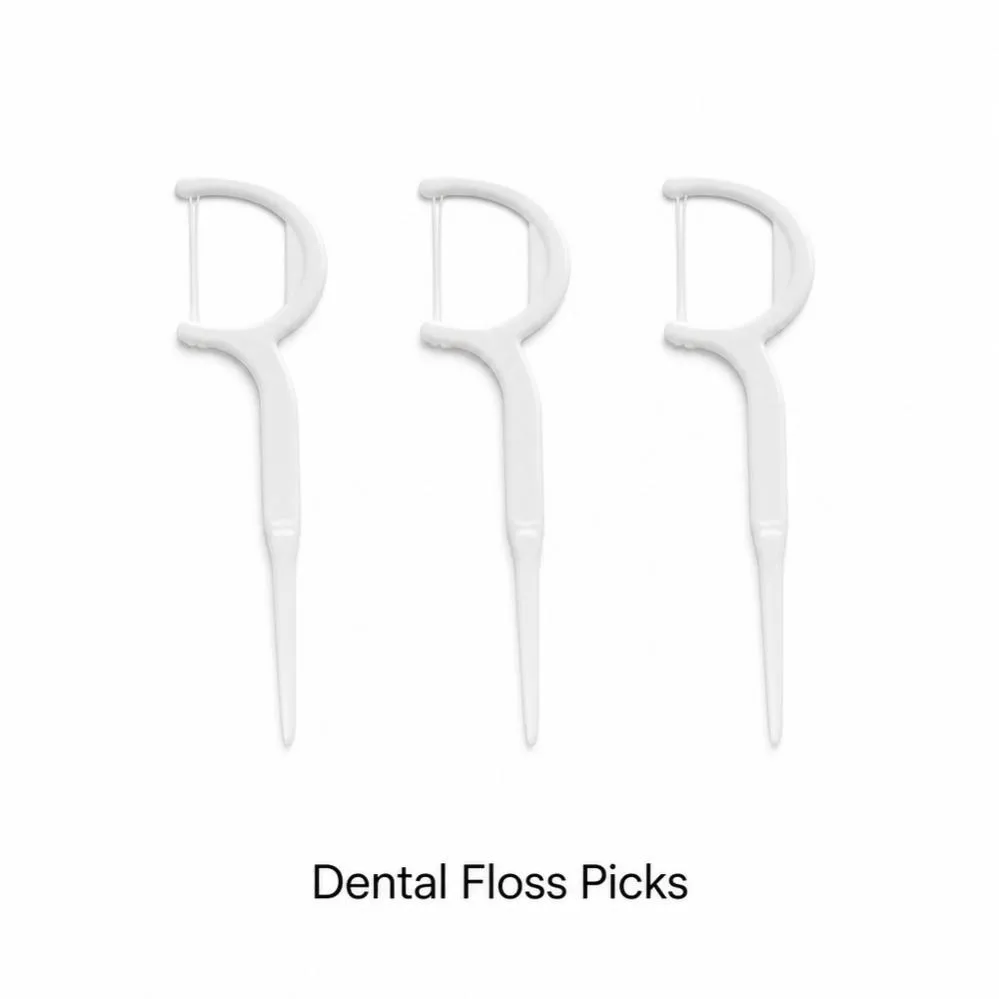
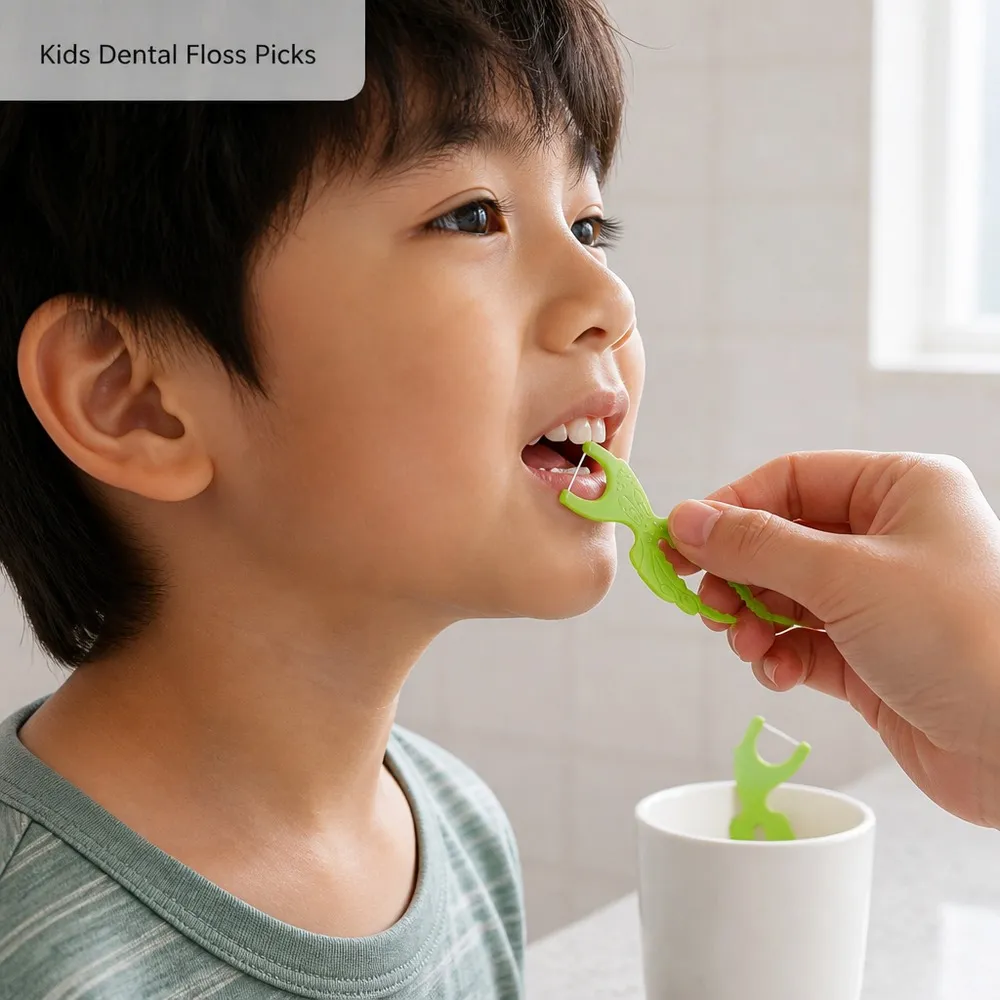
- Floss pick design and ergonomic considerations.
- Packaging structure, printing, and private-label branding.
Successful customization requires more than changing a logo or package design. It requires coordination between product specifications, manufacturing capabilities, tooling, and packaging development.
Early technical communication helps reduce unnecessary sampling, avoid specification misunderstandings, and improve development efficiency.
5. Choosing the Right Manufacturing Partner
For businesses entering or expanding within the oral care market, selecting a manufacturing partner is a strategic decision.
A capable supplier should offer more than competitive pricing. Technical communication, material knowledge, customization flexibility, production consistency, and reliable project coordination are equally important.
At EtsonFloss, our focus is dental floss manufacturing. We work with business customers to develop dental floss and floss pick solutions based on their product specifications, brand positioning, and packaging requirements.
Whether you are launching a new oral care brand, expanding an existing product portfolio, or sourcing customized dental floss for distribution, understanding the relationship between materials, structure, and manufacturing is the first step toward building a dependable product.
A better dental floss product starts with better engineering, not simply a different design.
Contact EtsonFloss to discuss your dental floss development and private-label manufacturing requirements.