As sustainability becomes an increasingly important purchasing factor in Europe, oral care brands are paying closer attention not only to their products but also to their packaging. The EU Packaging and Packaging Waste Regulation (PPWR), which began applying on 12 August 2026, makes packaging design an important consideration for brands selling in the European market.
For dental floss manufacturers and private-label brands, this creates an opportunity to rethink packaging from the early stages of product development.
1. Rethink Packaging Materials
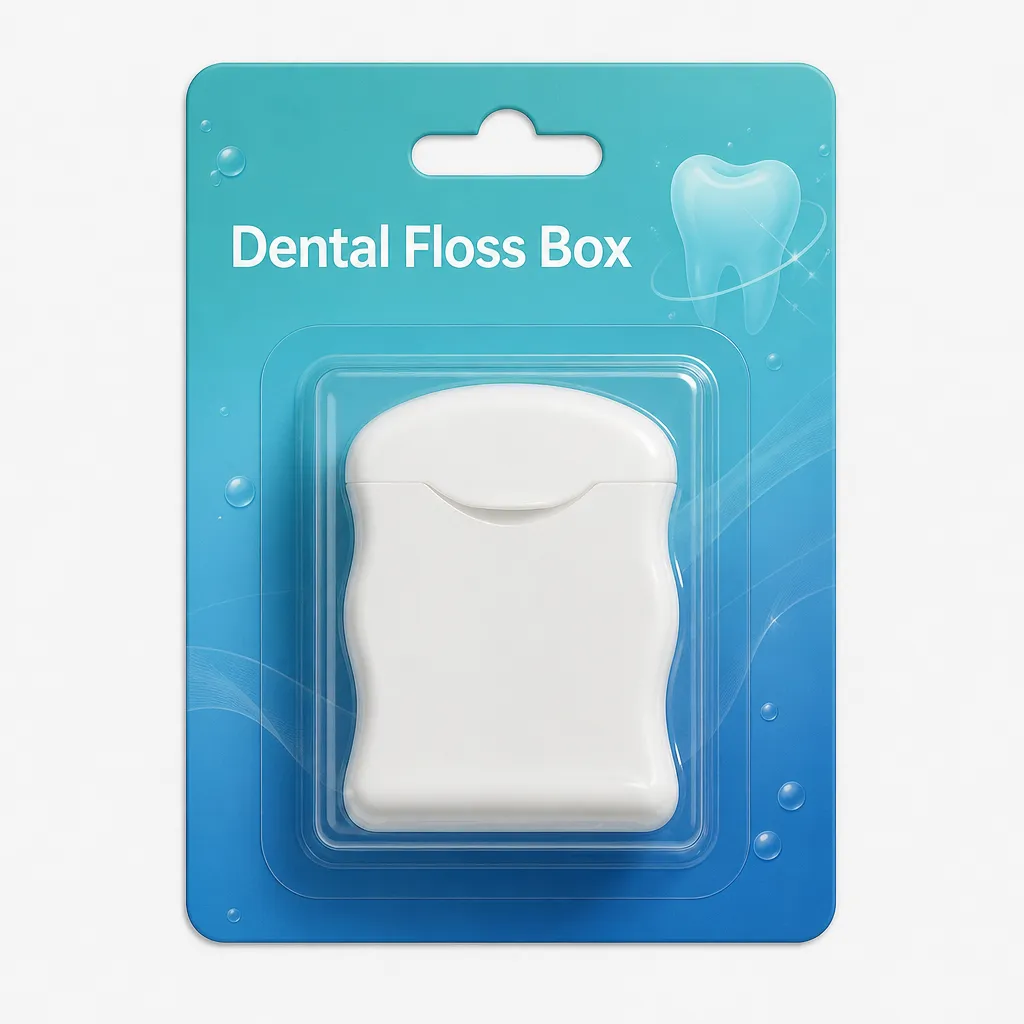
Dental floss products are commonly sold in plastic dispensers, blister cards, paper boxes, or combination packaging. Each format offers different advantages in terms of product protection, appearance, cost, and recyclability.
When developing new dental floss products, brands can explore paper-based outer packaging, recyclable material options, and packaging structures that are easier to separate and sort. However, choosing paper packaging alone does not automatically guarantee compliance. The complete packaging structure, including coatings, adhesives, windows, and other components, should be considered.

2. Reduce Unnecessary Packaging
Compact packaging can help reduce material consumption, shipping volume, and storage requirements. For example, a dental floss dispenser designed to fit the intended floss length can avoid unnecessary bulk, while a carefully sized paper box can protect the product without excessive empty space.
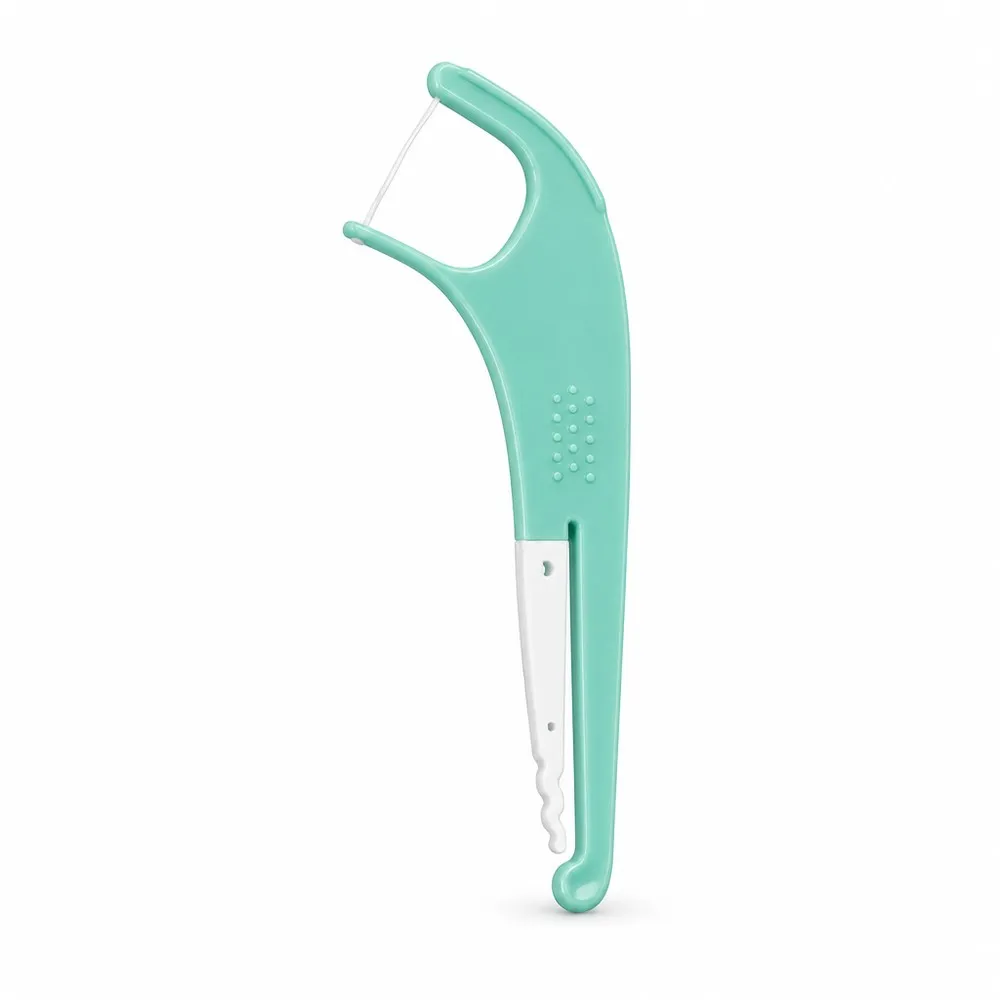
For oral care gift sets, brands can also review the layout of dental floss, floss picks, and other products to improve space efficiency while maintaining a premium presentation.
3. Consider Compliance from the Beginning
PPWR introduces requirements covering packaging composition, recyclability, waste prevention, and other aspects of packaging throughout its life cycle. Some obligations will apply in phases, so brands should assess the requirements relevant to their products, packaging types, and target markets.
Working with suppliers who can provide clear material specifications, packaging drawings, and supporting documentation can make the development process more efficient. Specific compliance claims should always be verified against applicable EU requirements.
4. Choose a Packaging Partner, Not Just a Supplier
Sustainable packaging is not simply about replacing plastic with paper. It requires balancing product protection, user experience, manufacturing feasibility, cost, and environmental considerations.
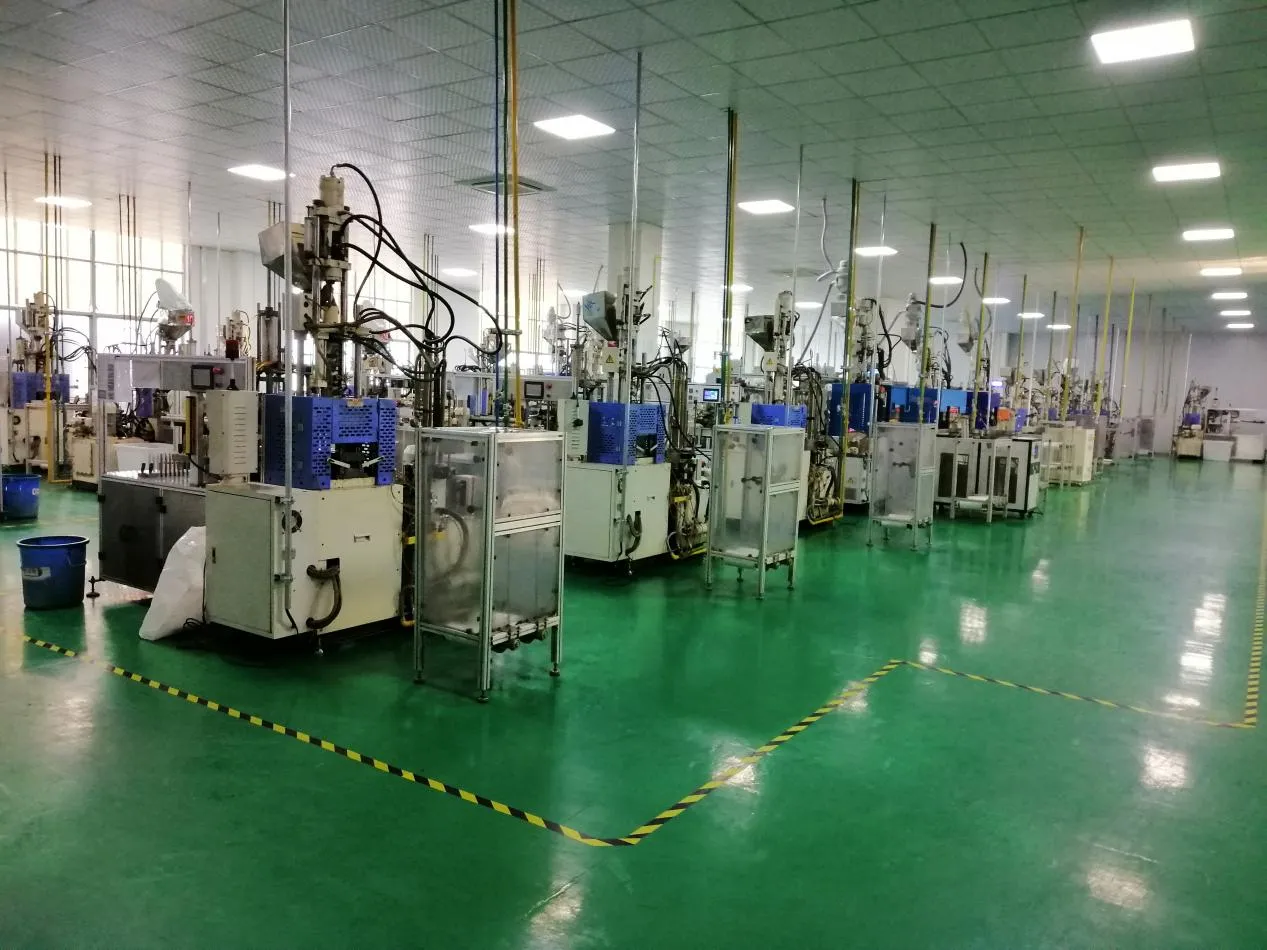
At EtsonFloss, we support dental floss customization and packaging development for brands seeking practical solutions for their target markets. By discussing packaging materials, dimensions, printing, and product presentation early, brands can make more informed decisions before moving to mass production.
Planning a new dental floss product for the European market? Start by reviewing your current packaging and identifying opportunities to reduce unnecessary materials, improve recyclability, and prepare the relevant technical documentation.