1. Packaging Is More Than a Protective Layer
In the oral care industry, packaging is often treated as the final step in product development. However, for dental floss and floss picks, packaging is an integral part of the product itself.
Unlike many conventional consumer goods, dental floss requires packaging that protects a functional material while maintaining hygiene, usability, and product integrity throughout transportation, storage, and daily use.
For example, dental floss can be affected by moisture, contamination, improper storage, and mechanical damage. For flavored floss, packaging must also help preserve the intended sensory experience. For floss picks, the packaging structure should prevent unnecessary movement, deformation, and potential damage to the floss or handle.
Therefore, effective packaging must balance product protection, functional convenience, and commercial presentation.

2. Packaging Structure Must Match the Product Format
Different dental floss products require different packaging solutions. A one-size-fits-all approach rarely delivers the best results.
Dental Floss Dispensers
Traditional dental floss dispensers typically use compact plastic cases with an integrated cutting mechanism. The packaging must provide sufficient structural strength, smooth dispensing, reliable cutting performance, and convenient portability.
For refillable floss products, the design becomes more complex. The inner spool, dispensing opening, and outer case must work together to ensure consistent floss delivery and minimize tangling or breakage.
Floss Picks
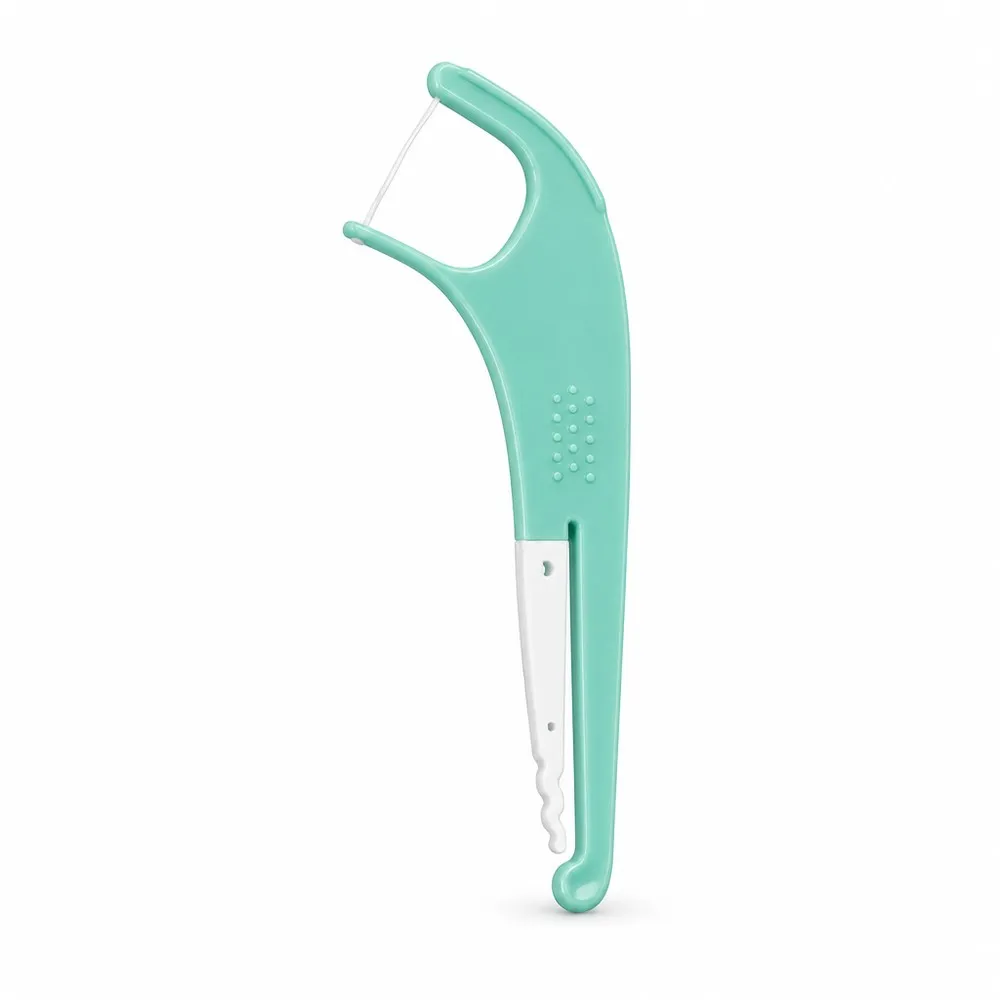
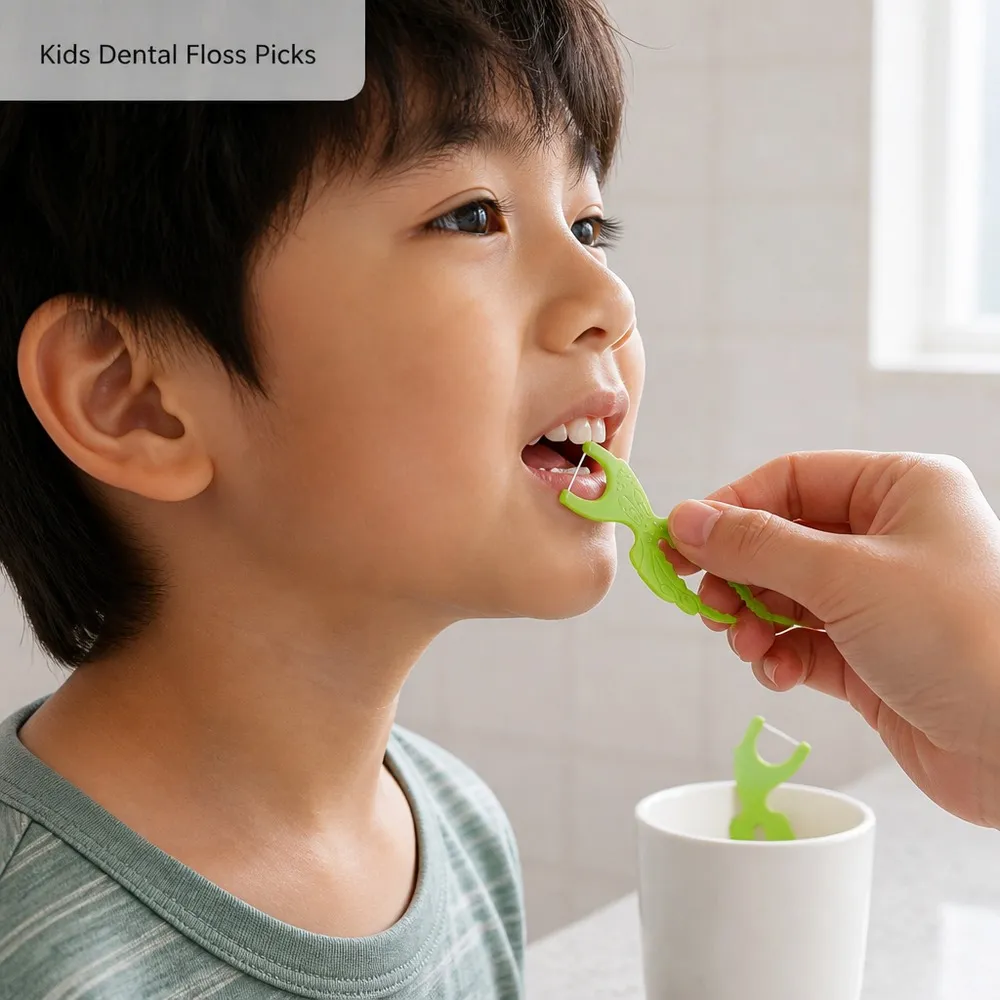
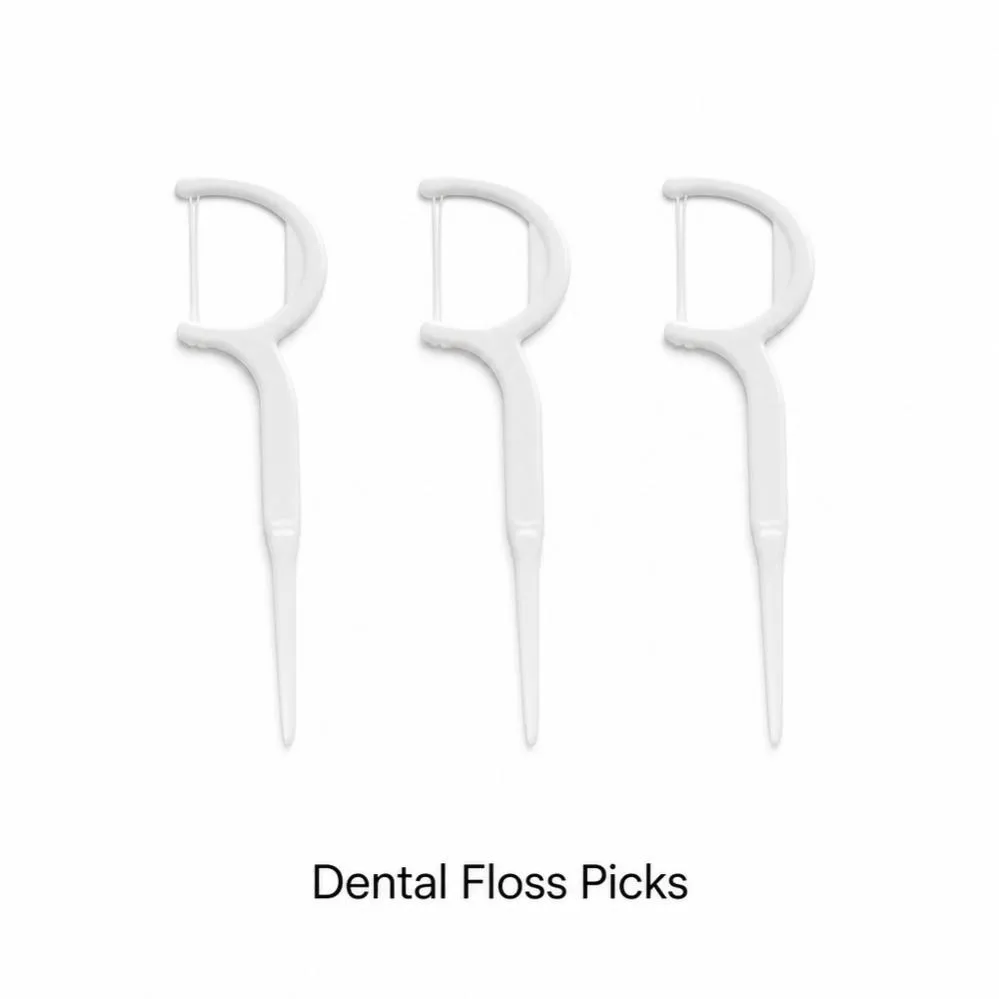
Floss picks are commonly packaged in resealable bags, blister cards, paper boxes, or bulk containers.
For retail products, blister packaging offers product visibility and helps maintain organized presentation. Paper boxes provide more space for branding, product information, and premium visual design.
For larger-volume products, flexible bags may offer advantages in transportation efficiency and material consumption.
Interdental Brushes
Interdental brushes require particular attention to protection because their fine bristles and small wire cores can be damaged by inappropriate packaging.
Individual protective caps, hygienic storage compartments, and well-designed multipacks can help maintain product condition while improving consumer convenience.
3. The Engineering Behind Good Packaging
Professional packaging development involves more than selecting attractive colors and materials.
Several technical factors should be evaluated before mass production:
- Dimensional accuracy: Packaging dimensions must match the actual product, leaving enough clearance without allowing excessive movement.
- Material compatibility: Packaging materials should be appropriate for the product's intended storage conditions and contact requirements.
- Sealing performance: For sealed packaging, seal strength and integrity should be evaluated to reduce the risk of opening, contamination, or product loss.
- Transportation resistance: Packaging should withstand stacking pressure, vibration, compression, and handling during international logistics.
- User accessibility: Consumers should be able to open, dispense, store, and carry the product conveniently.
Packaging validation should ideally include sample evaluation, fit testing, seal testing where applicable, and transportation simulations based on the distribution environment.
A visually appealing package that fails during shipping or makes the product difficult to use is not a successful packaging solution.
4. Packaging as a Strategic Branding Tool
In an increasingly competitive oral care market, packaging plays an important role in communicating brand positioning.
A minimalist paper box may support a premium, sustainability-oriented identity. A transparent blister card may emphasize product visibility and practical functionality. A compact refillable case may communicate durability and a long-term approach to reducing packaging waste.
For emerging oral care brands, packaging also provides an opportunity to differentiate products without necessarily changing the core product formulation or manufacturing process.
However, good branding should not come at the expense of functionality. Typography, structural design, opening mechanisms, product arrangement, and information hierarchy should work together to create a consistent consumer experience.
5. Sustainability and Regulatory Considerations
Packaging sustainability is becoming an increasingly important consideration for brands entering international markets, particularly in Europe.
The focus is shifting beyond whether packaging looks environmentally friendly. Brands increasingly need to evaluate material composition, recyclability, packaging weight, unnecessary empty space, and the availability of reliable material information.
Paper-based packaging, mono-material structures, reduced plastic components, and optimized packaging dimensions may offer opportunities to improve environmental performance.
Nevertheless, no material should be considered automatically sustainable simply because it is paper-based or plastic-free. Its actual environmental performance depends on material sourcing, coatings, adhesives, recycling infrastructure, and the complete packaging lifecycle.
Brands selling in the European Union should also consider applicable packaging requirements, including the EU Packaging and Packaging Waste Regulation (PPWR), as well as relevant labeling and producer-responsibility obligations.
Regulatory requirements should be assessed according to the destination market, packaging structure, material composition, and applicable implementation dates.
6. Packaging Should Be Developed Together with the Product
One common mistake in product development is finalizing the product first and considering packaging only afterward.
This can lead to unnecessary redesign, dimensional mismatches, higher tooling costs, and delays in mass production.
A more efficient approach is to evaluate product specifications and packaging concepts in parallel.
For example, when developing a customized floss pick, brands should consider the pick dimensions, quantity per pack, dispensing method, packaging material, artwork, barcode requirements, and retail display format from the beginning.
Early coordination between product manufacturers, packaging suppliers, and brand owners can reduce development risks and improve production efficiency.
Conclusion: Better Packaging Creates Better Products
Dental floss packaging is not simply a container. It is a combination of product protection, functional engineering, brand communication, supply chain management, and regulatory awareness.
For oral care brands, the right packaging solution can improve consumer experience, strengthen brand recognition, optimize logistics, and support long-term market competitiveness.
At EtsonFloss, we believe packaging should be considered an essential part of product development rather than an afterthought. From customized floss products to packaging coordination, we focus on helping our partners develop solutions that balance functionality, presentation, and manufacturing feasibility.
Great oral care products deserve packaging designed with the same level of attention as the products themselves.